

TearCare Treatment
TearCare is a fully customizable open-eye procedure used to address the underlying causes of evaporative dry eye and meibomian gland dysfunction.
Book Online
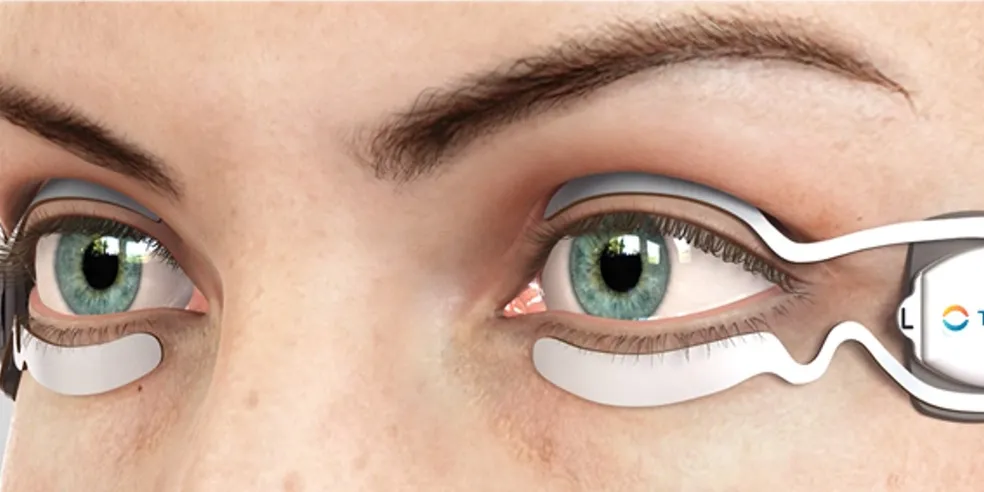
TearCare In-Office Procedure
What is TearCare?
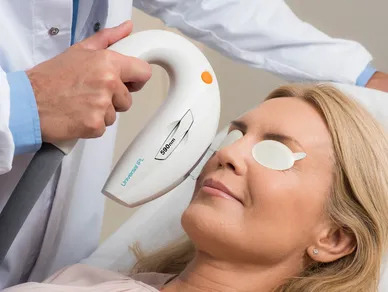
TearCare® is an innovative Dry Eye procedure that targets the blocked oil glands in your eyelids that produce oils to keep your tears healthy. When these glands become blocked or have reduced function, your tears may evaporate more quickly. Unblocking these glands with The TearCare® System can help restore their function and stabilize the tear film. This may improve the quality of tears and reduce symptoms like dryness, gritty or scratchy sensations, blurry vision, and watery eyes.
How long is the procedure?
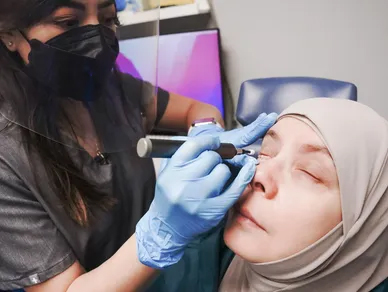
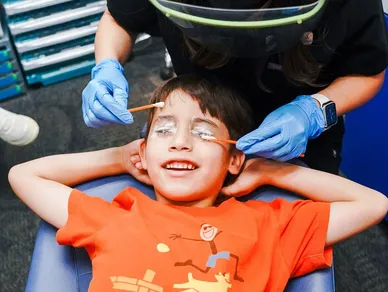
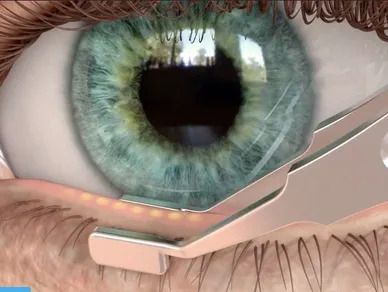
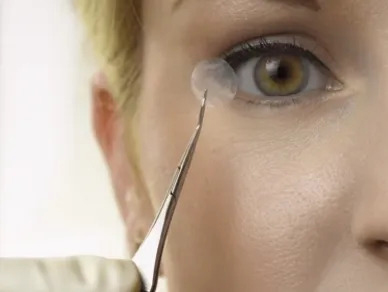
The TearCare SmartLids are personalized to the shape of your eyelids and deliver heat for 15 minutes. Patients report the warmth of the procedure is comfortable and relaxing. The heating phase is followed by a manual expression that usually takes about 25-30 minutes.
How is this better than warm compresses?
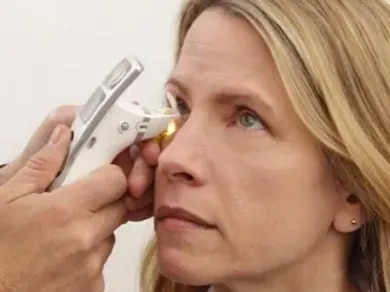
The SmartLids are connected to the SmartHub device which has a sensor feedback loop that allows it to deliver consistent and safe thermal energy to the eyelids to melt the hardened oil. This procedure has significantly better results than the traditional warm compress treatment. This procedure is followed by the expression of the meibomian oil glands.
How often should I do it?
Studies show that TearCare is an effective procedure for patients with MGD, with effects persisting for six to 12 months. Therefore recommended on a 6-12 month basis.
Who is a good candidate for Tearcare?
This procedure is indicated for patients with chronic dry eye and meibomian gland dysfunction.
Tearcare and inflammation
TearCare specifically targets meibomian gland dysfunction. MGD is usually accompanied by an inflammatory component of dry eye. We recommend doing concurrent treatment to treat inflammation along with TearCare.
What are the common signs and symptoms of mgd/dry eye?
Dry, gritty, or itchy sensation, stinging, Irritation, light sensitivity, visual fluctuations , watery eyes, tired eyes, and many others!
Learn About TearCare
do you suffer from dry, red eyes?
TearCare allows eye doctors to safely and effectively unblock capped and constipated oil glands inside the eyelids!
tearcare day
TearCare allows for a long-term relief of your dry eye symptoms.
CONDITIONS ASSOCIATED WITH DRY EYE
Blepharitis
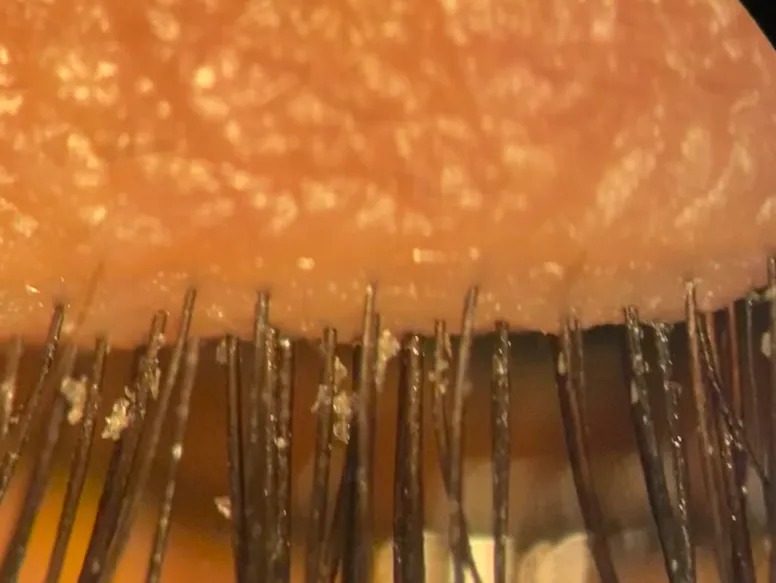
MGD
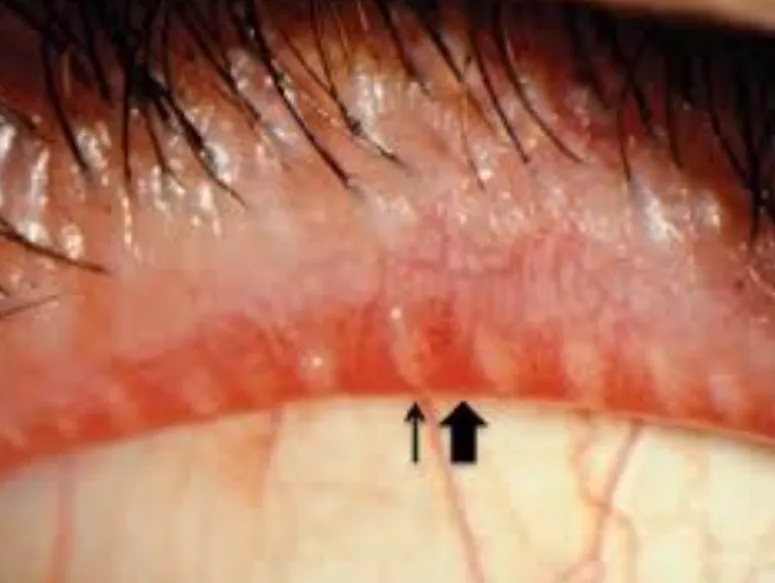
Demodex Blepharitis
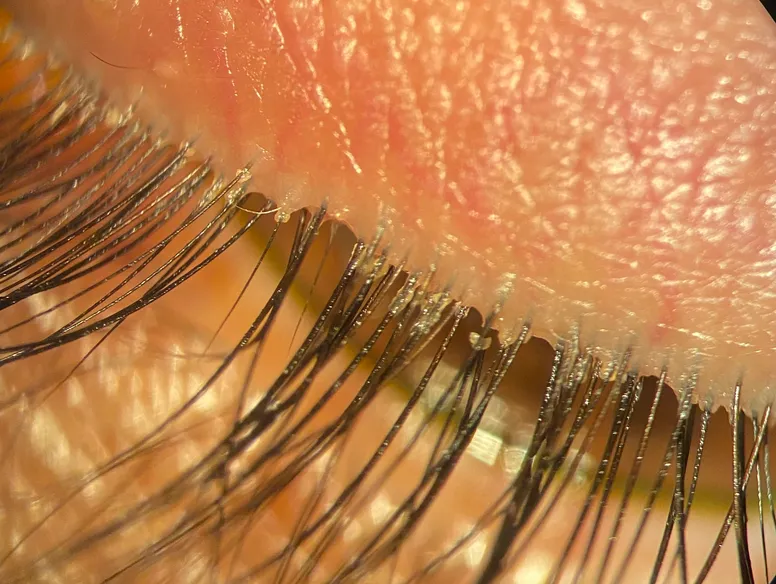
Ocular Rosacea
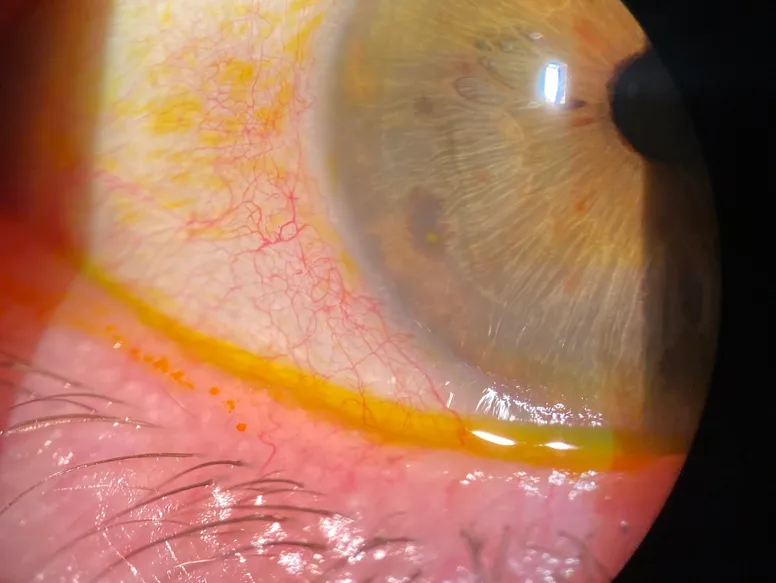
Sjogren's Syndrome
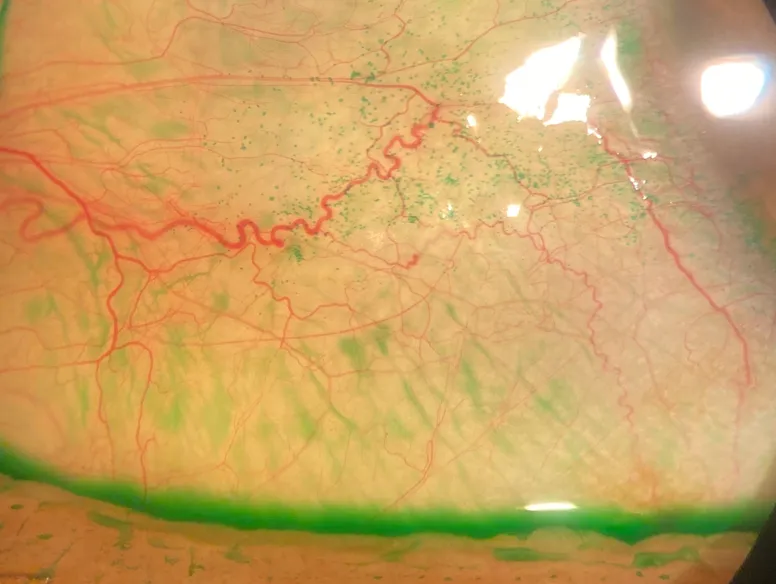
Lagophthamos
Frequently Asked Questions
Why is oil important in the tear film and where does it come from?
Meibum (or oil) is produced by oil glands (the meibomian glands) located inside the upper and lower eyelids. When we blink completely, the oil glands are able to express lubricating oils which seals in the moisture (aka: prevents your tears from evaporation). Think about it like Italian dressing - oil sits on top and water on the bottom. This oil becomes an important key to MGD treatment and management.
How does MGD cause dry eye?
An astonishing 86% of dry eye patients present with MGD (meibomian gland dysfunction)! MGD is associated with an increased bacterial overpopulation (blepharitis), which leads to eye inflammation. Furthermore, in MGD patients the oil glands stop producing a healthy oil (clear and liquid meibum) and instead, produce thick, viscous and toothpaste-like meibum. The change in this oil consistency leads the oil glands to become blocked and constipated. A hardened oil cannot be excreted when we blink which therefore leads to dry eye symptoms.
How is blepharitis associated with dry eye?
Dry eye is a late manifestation of blepharitis. Blepharitis occurs from the chronic accumulation of bacteria and its biofilm in the eyelids and lashes. Bacteria release exotoxins onto the front surface of the eye which in turn leads to a slippery slope of inflammation. This inflammatory cascade continues until it starts affecting other structures of the eye like the lacrimal gland and the damage becomes irreversible.
Why can't I just do warm compresses?
Warm compresses are a wonderful option for home therapy for mild dry eye, however they are only considered a palliative form of treatment. Warm compresses relieve pain/discomfort but are unable to treat the root cause of the condition because the heat cannot be maintained to reach the melting point of the oil glands inside the eyelids.
Do I have to do an eyelid cleaning before TearCare?
It is highly recommended to perform BlephEx or ZEST prior to oil gland expression to get the best results. An exfoliation of the eyelids helps remove biofilm, blepharitis, demodex mites, and cleans the orifices of your oil glands. This allows for a more effortless expression of the oil glands.
I don't have symptoms, but my doctor tells me I have MGD and is recommending a thermal expression. Do I have to do it?
We always recommend preventative treatment! Asymptomatic MGD affects over 20% of the population and it is 2x as common as symptomatic MGD. MGD is a chronic, progressive abnormality of the oil glands and it may result in symptoms of eye irritation/redness, inflammation, and other ocular surface disease presentations. Preventative treatment is very important and I like to think about it like teeth cleaning. We get them done on a regular basis even if we have minimal plaque or no cavities. With the same concept in mind, we would not start dental cleanings only once majority of our teeth are in severe decay or once gingivitis is severely advanced. Preventative treatment is key to good eyelid health.
Is this procedure covered by insurance?
As of now, there are no insurance policies that coverage at this time. TearCare is actively working on reimbursement at the moment.
What is the out-of-pocket cost of the procedure to patients?
An advanced dry eye treatment and procedures of this kind is around $1000 as a patient-pay procedure. This will vary by practice and location. Please contact our office for specific pricing.
ADVANCED DRY EYE THERAPY




Contact Info
Office Hours
- Monday 9:00 am - 6:00 pm
- Tuesday 9:00 am - 6:00 pm
- Wednesday 8:30 am - 5:00 pm
- Thursday 8:30 am - 5:00 pm
- Friday 8:30 am - 5:00 pm
- Saturday 8:15 am - 1:00 pm
- (2nd and 4th Saturdays in the month only)
- Sunday Closed
© 2026 Covina Hills Optometric Group. All rights Reserved. Accessibility Statement - Privacy Policy - Sitemap
Powered by:
