

Diabetic Eye Exam
Annual comprehensive eye examinations with dilation are important for patients with diabetes to prevent the risk of developing a sight-threatening condition called diabetic retinopathy. Diabetic retinopathy is the number one cause of vision loss among people with diabetes.
Book Online

Diabetic Retinal Evaluations
Diabetes
Diabetes is a disease that prevents the body from properly producing insulin, which is a hormone responsible for regulating the amount of sugar (glucose) in your blood. High blood sugar levels can cause damage to various vital organs in the body, including the eyes.
Components of a diabetic retinal evaluation
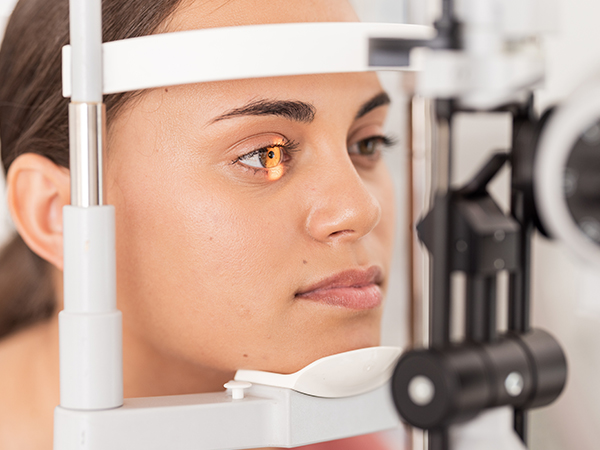
A diabetic retinal evaluation begins with a comprehensive eye examination. You will also need to be dilated with eye drops in office so the doctor can have a wider view of the structures inside of your eye. Our doctor will also do a digital retinal exam where we take an objective retinal image to further evaluate your optic nerve, blood vessels, and the retina. A retinal image is important for our doctor to detect changes over time that might indicate damage or significant changes.
What is Diabetic retinopathy?
The retina is a light organ that is located in the back of the eye and is responsible for our vision. The retina also has blood vessels in its layers that keep it nourished. Elevated levels of sugar in the blood can cause these blood vessels to weaken and begin to leak. These leakages can lead to potential swelling in the retina and eventual scarring which can cause vision loss.
Importance of annual eye exams
Diabetes affects around 10% of the American population, yet nearly 60 percent of people with diabetes report skipping their annual diabetic eye exam. Yearly comprehensive eye exams are a great way to prevent damage to the eyes caused by diabetes.
Let's Answer Some of Your Questions
Can diabetes cause vision loss?
Yes, when diabetes is not properly managed, diabetic retinopathy can develop which can potentially lead to partial or total vision loss. In addition to diabetic retinopathy, diabetics are at risk for developing: cataracts, glaucoma, and swelling in the back of the eye (macular edema). A yearly comprehensive eye exam and dilated diabetic retinal evaluation is recommended to monitor for any of these abnormal changes.
Can my diabetes cause blurry vision?
Unfortunately, yes. Uncontrolled high blood sugar levels can cause swelling in the lens which will cause you to experience blurry vision. Once sugar levels are controlled, the lens will return back to its original state and vision should also improve. If blood sugar levels remain consistently uncontrolled, it can take up to 3 months for your vision to return to normal.
Can diabetes cause cataracts?
Yes, studies show that diabetics are 2-5x more likely to develop cataracts than people who don’t have diabetes. A yearly comprehensive eye exam and dilated diabetic retinal evaluation is recommended to monitor for any of these abnormal changes.
Can diabetes cause glaucoma?
Yes, diabetes can cause neovascular glaucoma. This condition occurs in late stages of diabetic retinopathy where little blood vessels begin to grow in the iris (the colored part of the eye), block the flow of the liquid in your eye, and causes eye pressures to elevate. A yearly comprehensive eye exam and dilated diabetic retinal evaluation is recommended to monitor for any of these abnormal changes.


Contact Info
Office Hours
- Monday 9:00 am - 6:00 pm
- Tuesday 9:00 am - 6:00 pm
- Wednesday 8:30 am - 5:00 pm
- Thursday 8:30 am - 5:00 pm
- Friday 8:30 am - 5:00 pm
- Saturday 8:15 am - 1:00 pm
- (2nd and 4th Saturdays in the month only)
- Sunday Closed
© 2026 Covina Hills Optometric Group. All rights Reserved. Accessibility Statement - Privacy Policy - Sitemap
Powered by:
