

Amniotic Membranes
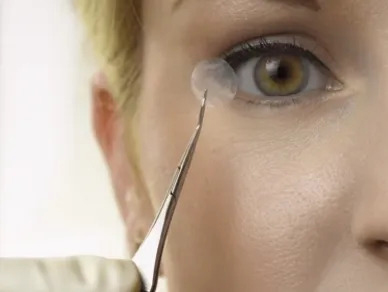
An amniotic membrane works as a biological bandage to heal damaged tissue occurring on the front surface of the eye. It is thin, lightweight, elastic and almost transparent making it suitable for use on the surface of the eye. These membranes are obtained from the avascular layer of fetal membrane from full-term, elective C-sections (the donors are carefully screened for transmissible diseases). The membrane has 3 layers: epithelium, basement membrane, and the stroma; all layers contributing to the healing process. The basement membrane closely resembles the cornea and the conjunctiva, which promotes cell growth. Furthermore, the stroma contains hyaluronic acid and cytokines which are successful at reducing inflammation.
Amniotic membranes offer patients a natural, sutureless treatment option with anti-inflammatory, anti-angiogenic, anti-microbial and anti-fibrotic properties.
This procedure is indicated for patients with chronic ocular surface disease, chronic dry eye, corneal ulcers, chemical burns, and exposure keratopathy.



Contact Info
Office Hours
- Monday 9:00 am - 6:00 pm
- Tuesday 9:00 am - 6:00 pm
- Wednesday 8:30 am - 5:00 pm
- Thursday 8:30 am - 5:00 pm
- Friday 8:30 am - 5:00 pm
- Saturday 8:15 am - 1:00 pm
- (2nd and 4th Saturdays in the month only)
- Sunday Closed
© 2026 Covina Hills Optometric Group. All rights Reserved. Accessibility Statement - Privacy Policy - Sitemap
Powered by:
