

OptiLight IPL Treatment
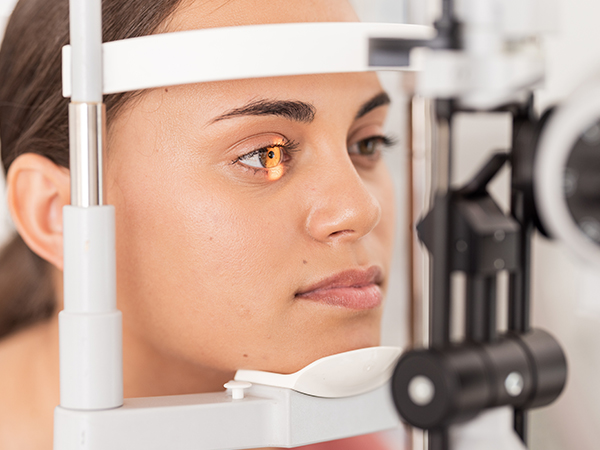
OptiLight IPL Treatment is an FDA approved procedure for the treatment of dry eye that uses a precise, intense, broad-spectrum light to target inflammation. IPL is used to address the underlying causes of evaporative dry eye, meibomian gland dysfunction, and ocular rosacea.
Book Online
Book Online
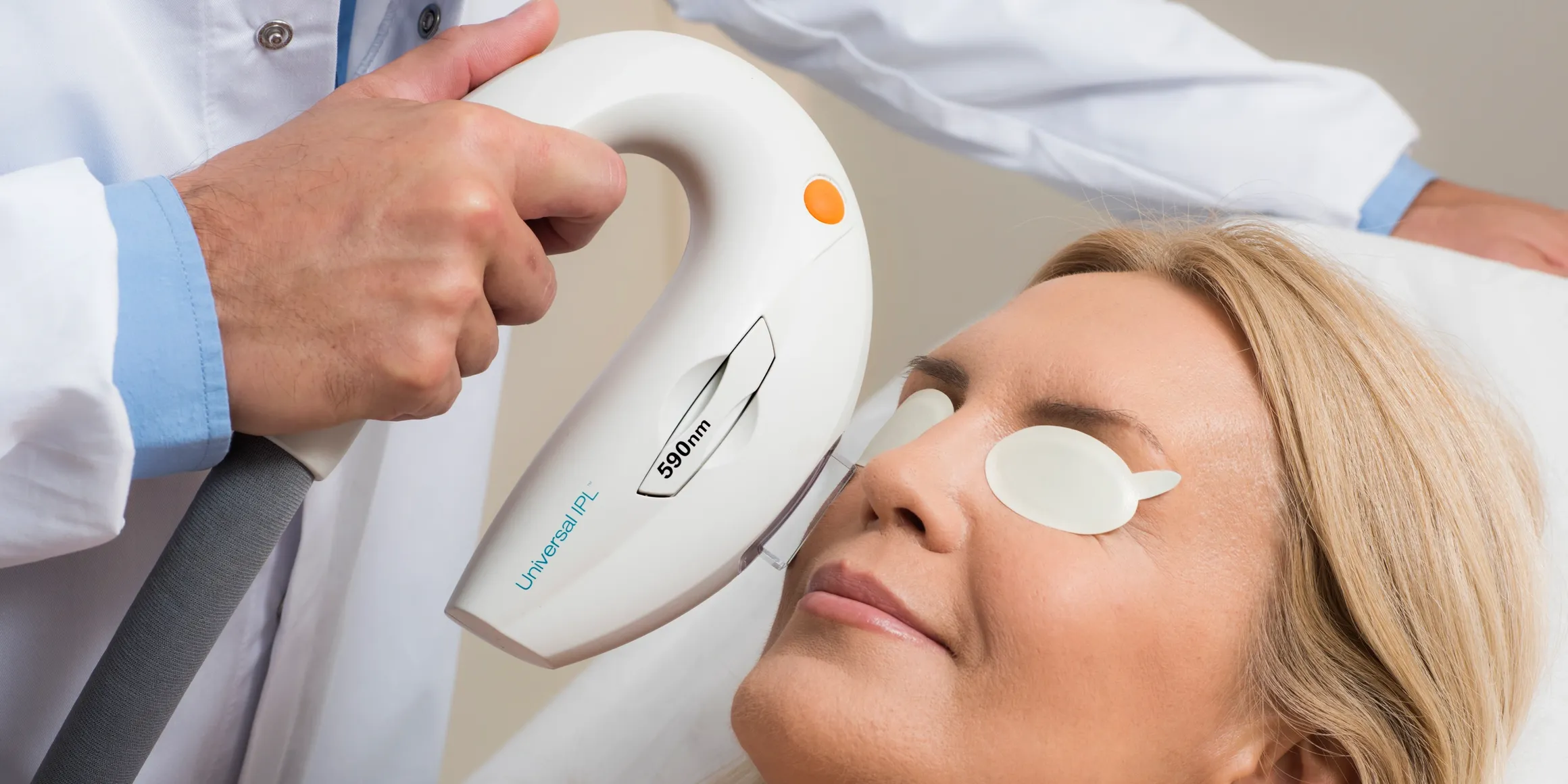
OptiLight IPL In-Office Procedure
What is Optilight IPL?
OptiLight IPL (Intense Pulse Light) is the first and only IPL that is FDA approved for the treatment of dry eye disease. A main driver of dry eye disease is inflammation and IPL specifically and effectively targets inflammation with a precise, intense, broad-spectrum light. In addition, IPL restores the function of meibomian glands and improves the quality of your tear film.
How long is the procedure?
The procedure takes about 10-15 min and there are 4 sessions that spaced 2-4 weeks apart. Patients typically report improvement after the 2nd or 3rd treatments.
What does the treatment entail?
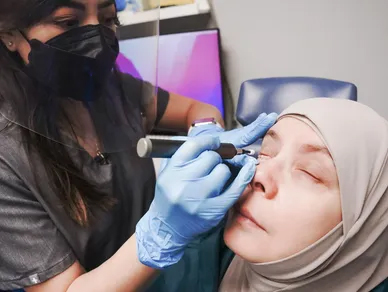
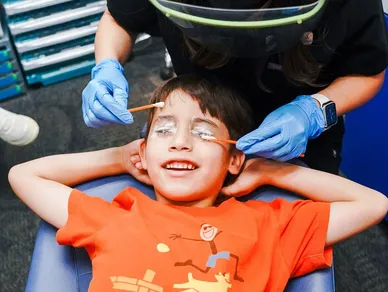
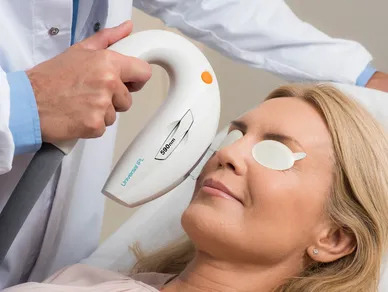
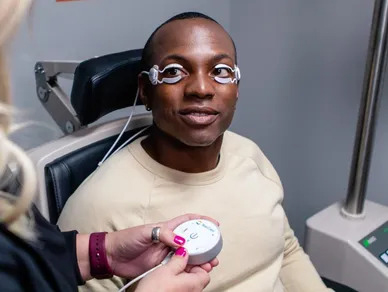
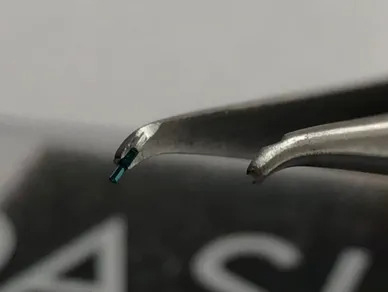
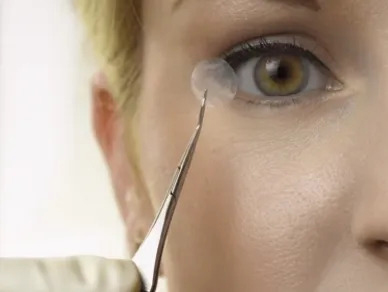
Your eyes will be covered with pads over the eyelids OR corneal shields in order to protect your eyes during the procedure.
A thin layer of coupling gel will be applied to the areas being treated.
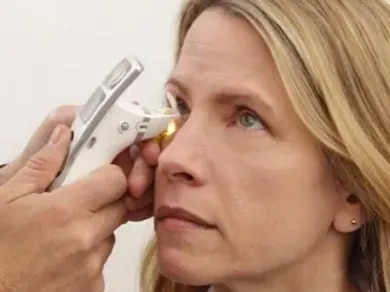
Light-based therapy is then applied to the skin on and/or around the eyelids. Most patients report no discomfort.
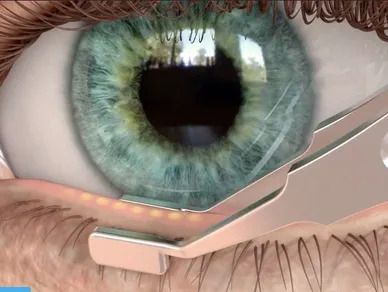
- OptiLight is usually followed by meibomian gland expression or an advanced heat expression device (such as iLux or TearCare).
How often should I do it?
Maintenance sessions depend on the duration, severity, and frequency of symptoms, but re-treatment is usually recommended every 8-12 months. Many advanced patients require 4-8 sessions to notice dry eye relief.
Who is a good candidate for Optilight IPL?
This procedure is indicated for patients with ocular rosacea, meibomian gland dysfunction (MGD), demodex mites, dry eye, chalazion, and styes. IPL also has skin-enhancing and anti-aging properties due to collagen production and strengthening properties.
What are the common signs and symptoms of mgd/dry eye?
Uncomfortable dry, red, gritty, irritated, light sensitive, watery, tired eyes and experience visual fluctuations in vision!
Find Out More
Learn About OptiLight
Do you suffer from dry, red eyes?
With a series of non-invasive 10 minute treatments with OptiLight IPL, we can achieve improvement and management of chronic dry eye disease.
OptiLight day
Dry eye and MGD can have a significant impact on your daily life. Let's address the root cause - inflammation.
CONDITIONS ASSOCIATED WITH DRY EYE
Blepharitis
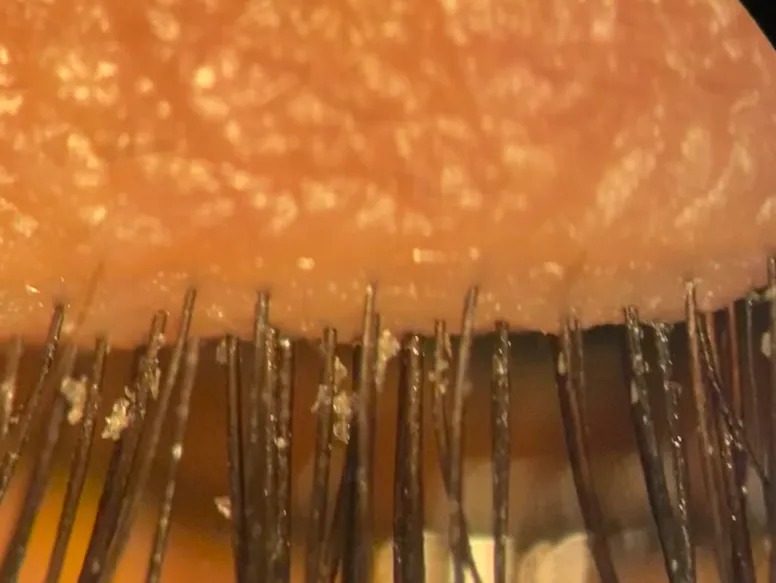
MGD
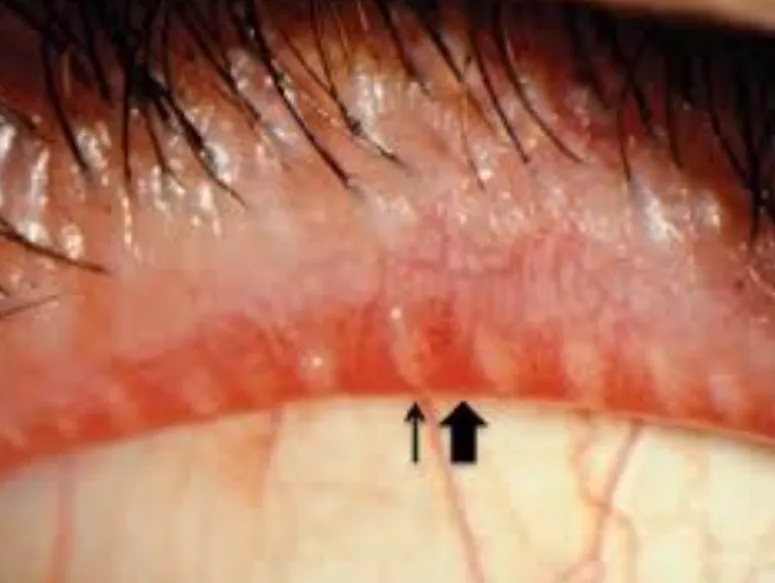
Demodex Blepharitis
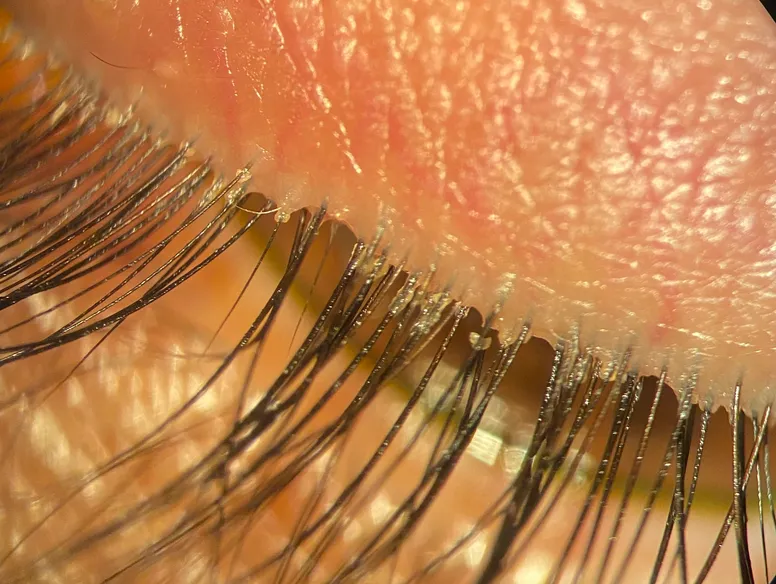
Ocular Rosacea
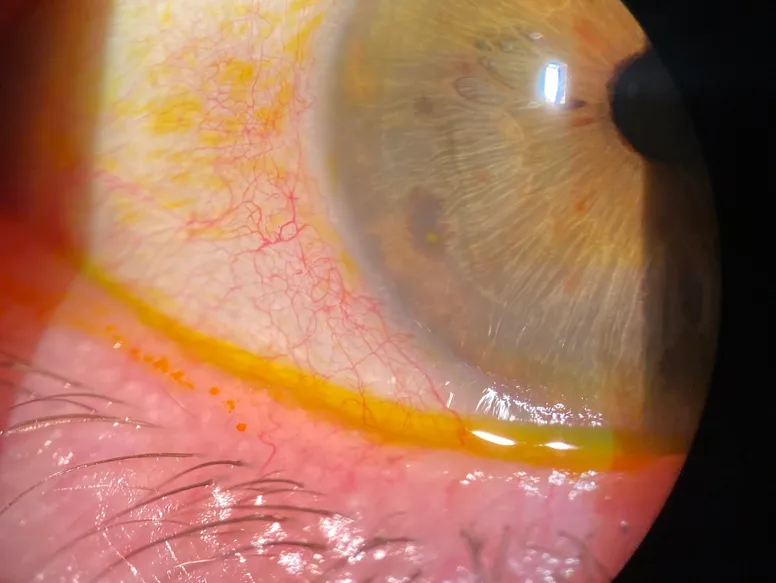
Sjogren's Syndrome
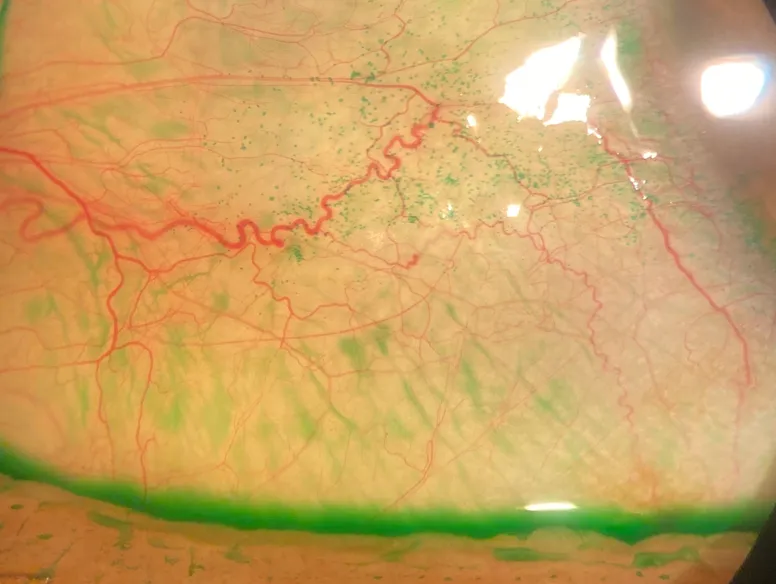
Lagophthamos
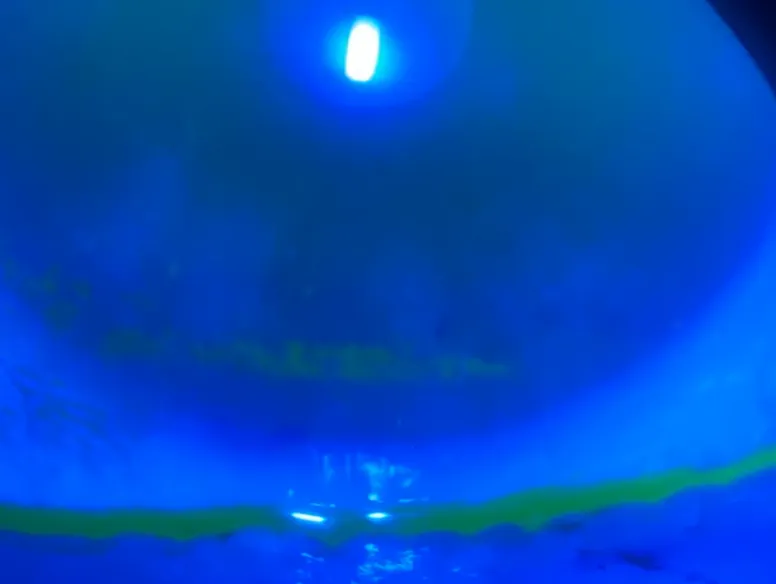
Frequently Asked Questions
Why is oil important in the tear film and where does it come from?
Meibum (or oil) is produced by oil glands (the meibomian glands) located inside the upper and lower eyelids. When we blink completely, the oil glands are able to express lubricating oils which seals in the moisture (aka: prevents your tears from evaporation). Think about it like Italian dressing - oil sits on top and water on the bottom. This oil becomes an important key to MGD treatment and management.
How does MGD cause dry eye?
An astonishing 86% of dry eye patients present with MGD (meibomian gland dysfunction)! MGD is associated with an increased bacterial overpopulation (blepharitis), which leads to eye inflammation. Furthermore, in MGD patients the oil glands stop producing a healthy oil (clear and liquid meibum) and instead, produce thick, viscous and toothpaste-like meibum. The change in this oil consistency leads the oil glands to become blocked and constipated. A hardened oil cannot be excreted when we blink which therefore leads to dry eye symptoms.
Does rosacea cause dry eye?
Over 80% of patients with Rosacea suffer from MGD. In rosacea, abnormal blood vessels release pro-inflammatory agents that are in turn are released to the eyelids via the vasculature of the eyelids. These inflammatory agents cause an inflammatory cascade in the eyes leadings to signs and symptoms of dry eye.
How does OptiLight IPL help with inflammation?
MDG, blepharitis, demodex mites, and rosacea all cause inflammation in the eyes. OptiLight breaks the vicious cycle of inflammation because it:
- Alleviates the abnormal blood vessels that are causing and worsening inflammation.
- Decreases the level of inflammatory mediators.
- Decreases demodex mites and bacterial load.
- Restores meibomian gland anatomy and function.
Do I have to do an eyelid cleaning before TearCare?
It is highly recommended to perform BlephEx or ZEST prior to oil gland expression to get the best results. An exfoliation of the eyelids helps remove biofilm, blepharitis, demodex mites, and cleans the orifices of your oil glands. This allows for a more effortless expression of the oil glands.
How soon after my IPL treatment can I return to work?
There is commonly no downtime and patients often resume their daily activities immediately after their treatment session. It is recommended that SPF is used after treatment.
Is this procedure covered by insurance?
As of now, there are no insurance policies that offer coverage at this time.
ADVANCED DRY EYE THERAPY


Contact Info
Office Hours
- Monday 9:00 am - 6:00 pm
- Tuesday 9:00 am - 6:00 pm
- Wednesday 8:30 am - 5:00 pm
- Thursday 8:30 am - 5:00 pm
- Friday 8:30 am - 5:00 pm
- Saturday 8:15 am - 1:00 pm
- (2nd and 4th Saturdays in the month only)
- Sunday Closed
© 2026 Covina Hills Optometric Group. All rights Reserved. Accessibility Statement - Privacy Policy - Sitemap
Powered by:
