

FAQ: Eye Emergencies in Covina, CA
At Covina Hills Optometric Group, we provide prompt, thorough care for eye emergencies in Covina, CA. Eye injuries, infections, and sudden vision changes require timely attention to protect your sight and prevent complications. Below are frequently asked questions on eye emergencies.
1. What qualifies as an eye emergency?
An eye emergency includes sudden vision loss, intense eye pain, chemical exposure, significant trauma, bleeding, a foreign object, new flashes or floaters, or severe redness with light sensitivity. At our Covina practice, we evaluate urgent symptoms promptly because delaying care can increase the risk of lasting eye damage.
2. How quickly should I seek care for an eye emergency?
Contact our Covina office immediately when an eye injury, sudden vision change, severe pain, chemical exposure, or significant trauma occurs. Prompt evaluation is essential when vision may be at risk, and our team will guide you toward the appropriate next steps.
3. Can a red eye require emergency eye care?
Yes. A red eye requires urgent attention when it is accompanied by pain, blurred vision, discharge, swelling, light sensitivity, or recent contact lens wear. We examine the eye to identify whether the redness is caused by an infection, inflammation, corneal injury, or another condition requiring treatment.
4. What should I do if a chemical gets into my eye?
Immediately rinse the affected eye with clean, lukewarm water for at least 10 minutes. Remove contact lenses when possible, but do not delay flushing the eye. After a chemical exposure, contact us or proceed to an emergency facility immediately for further evaluation.
5. What should I do if something is stuck in my eye?
Do not rub the eye or attempt to remove an object that appears embedded. A loose particle may be gently rinsed with clean water, but persistent discomfort requires an examination. For a foreign object, we can inspect the eye and determine the safest method of removal.
6. Do sudden flashes or floaters require emergency eye care?
Yes. A sudden increase in flashes, floaters, dark spots, or a curtain-like shadow can indicate a retinal tear or detachment. Patients experiencing these symptoms should contact us immediately for a dilated eye examination because early diagnosis can help protect vision.
7. Is sudden blurry vision or vision loss an eye emergency?
Sudden blurry vision, partial vision loss, or complete vision loss is always an eye emergency. These symptoms can result from retinal, neurological, vascular, or pressure-related conditions. Anyone experiencing sudden vision changes should seek immediate medical attention rather than waiting for the problem to improve.
8. Can contact lenses cause an eye emergency?
Contact lenses can contribute to corneal scratches, inflammation, and serious infections. Contact lens wearers should remove their lenses and contact us immediately if they develop pain, redness, discharge, light sensitivity, or sudden blurred vision. Do not resume wearing contacts until we have examined the eye.
9. Is eye pain with a headache or nausea an emergency?
Yes. Eye pain accompanied by a severe headache, nausea, vomiting, halos around lights, or sudden vision changes requires immediate evaluation. This combination of symptoms can indicate a serious eye pressure or neurological problem that should not be ignored.
10. Should I seek emergency eye care after an eye scratch?
Yes. A corneal scratch can cause sharp pain, tearing, redness, light sensitivity, and the feeling that something is trapped in the eye. After a suspected eye scratch, avoid rubbing or patching the eye and schedule an urgent examination so we can check for infection or deeper damage.
11. Are styes or swollen eyelids considered eye emergencies?
Most styes are not emergencies, but they still benefit from proper evaluation when symptoms persist. Patients should seek prompt care if eyelid swelling becomes severe, spreads around the eye, causes fever, limits eye movement, or affects vision. These signs can indicate a more serious infection.
12. When does an eye infection require urgent care?
An eye infection requires urgent care when it causes significant pain, swelling, discharge, light sensitivity, reduced vision, or worsening redness. An eye infection should also be evaluated promptly if you wear contact lenses. We identify the cause and prescribe appropriate treatment rather than relying on leftover medications.
13. Should a child with an eye injury receive emergency eye care?
Yes. Children should receive immediate care after chemical exposure, blunt trauma, a scratch, a foreign object, or any injury causing pain or vision changes. Children may have difficulty explaining their symptoms, so we recommend an examination even when the visible injury appears minor.
14. What happens during an emergency eye exam in Covina, CA?
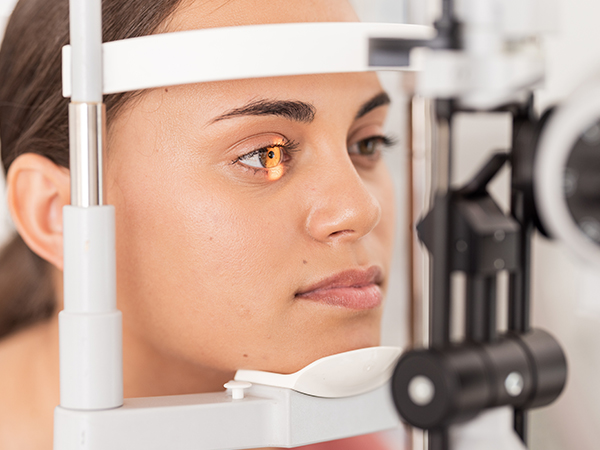
During an emergency eye exam at our Covina office, we review how the symptoms started and assess vision, pupils, eye movement, and the front and back of the eye. Depending on the condition, we may use diagnostic staining, pressure testing, dilation, or retinal imaging to identify the problem.
15. Why should I choose Covina Hills Optometric Group for an eye emergency in Covina, CA?
Covina Hills Optometric Group provides prompt, attentive care for urgent eye concerns in Covina, CA. Our experienced team uses advanced diagnostic technology to identify the cause of your symptoms, explain the findings clearly, and recommend the appropriate treatment to help protect your comfort and vision.
Do not delay care when an eye injury, infection, or sudden vision change occurs. Contact Covina Hills Optometric Group in Covina, CA, at (626) 508-7171 for prompt guidance and professional emergency eye care.


Contact Info
Office Hours
- Monday 9:00 am - 6:00 pm
- Tuesday 9:00 am - 6:00 pm
- Wednesday 8:30 am - 5:00 pm
- Thursday 8:30 am - 5:00 pm
- Friday 8:30 am - 5:00 pm
- Saturday 8:15 am - 1:00 pm
- (2nd and 4th Saturdays in the month only)
- Sunday Closed
© 2026 Covina Hills Optometric Group. All rights Reserved. Accessibility Statement - Privacy Policy - Sitemap
Powered by:
