

Optomap vs. Eye Dilation in Covina: Which Is Better for Your Annual Fall Eye Exam?
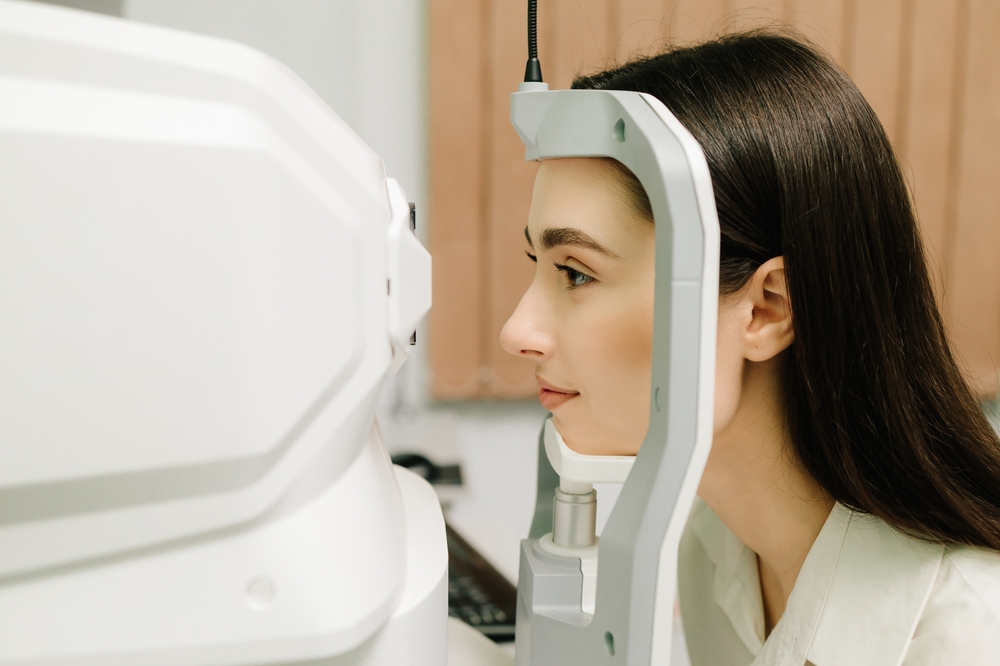
Fall is a convenient time to catch up on eye care before holiday schedules fill up. If you are planning your annual eye exam in Covina, you may wonder whether Optomap can replace dilation. At Covina Hills Optometric Group, we use retinal imaging to support a thorough evaluation, but the right approach depends on your eyes. Sometimes, we recommend both.
What Does Optomap Show?
Optomap is an ultra-widefield imaging system that captures a detailed digital picture of the retina, the light-sensitive tissue at the back of your eye. We offer this technology as part of our comprehensive eye care in Covina.
The scan is quick and can often be performed without dilating drops. It gives us a broad view of retinal structures and creates a record we can compare at future visits. We can also show you your images and explain what we see.
These images help us look for changes associated with conditions such as diabetic retinopathy and macular degeneration. However, a retinal image alone cannot rule out every eye disease.
What Does Eye Dilation Do?
Dilation uses eye drops to widen your pupils, giving us a better view inside your eyes. We then use examination lenses and lights to evaluate the retina, optic nerve, and other internal structures.
A dilated examination helps us investigate findings that need closer attention. It remains important when we need to assess areas or details that may not be adequately captured in a photograph.
The drops take time to work and can cause temporary light sensitivity and blurry near vision. These effects commonly last several hours, so planning ahead can make your visit more comfortable.
Which Is Better for Your Fall Eye Exam?
Optomap and dilation serve complementary purposes. Optomap provides a digital record for monitoring changes, while dilation allows a direct clinical examination through an enlarged pupil. Optomap does not replace dilation when a dilated examination is needed.
At our Covina office, our recommendation considers factors such as:
- Your age, medical history, and risk of eye disease
- Diabetes or a history of retinal problems
- New symptoms or changes in your vision
- Findings on your retinal images and the rest of your examination
We explain why imaging, dilation, or both may be appropriate. Convenience matters, but obtaining the information needed to assess your eye health guides our decision.
Preparing for Your Appointment
Bring your current glasses, a medication list, and any questions about changes in your vision. If dilation is planned, bring sunglasses and arrange for someone to drive you home. Let us know about reading, computer work, or other tasks scheduled afterward so we can help you plan.
If you develop sudden flashes, many new floaters, or a curtain-like shadow across your vision, seek immediate eye care instead of waiting for your annual appointment.
Make time for your eye health this fall. Schedule your comprehensive eye exam with Covina Hills Optometric Group in Covina, CA, by calling (626) 508-7171. Our team will help you understand which retinal evaluation is appropriate for your eyes.


Contact Info
Office Hours
- Monday 9:00 am - 6:00 pm
- Tuesday 9:00 am - 6:00 pm
- Wednesday 8:30 am - 5:00 pm
- Thursday 8:30 am - 5:00 pm
- Friday 8:30 am - 5:00 pm
- Saturday 8:15 am - 1:00 pm
- (2nd and 4th Saturdays in the month only)
- Sunday Closed
© 2026 Covina Hills Optometric Group. All rights Reserved. Accessibility Statement - Privacy Policy - Sitemap
Powered by:
