

How Myopia Control Helps Protect Your Child’s Long-Term Vision
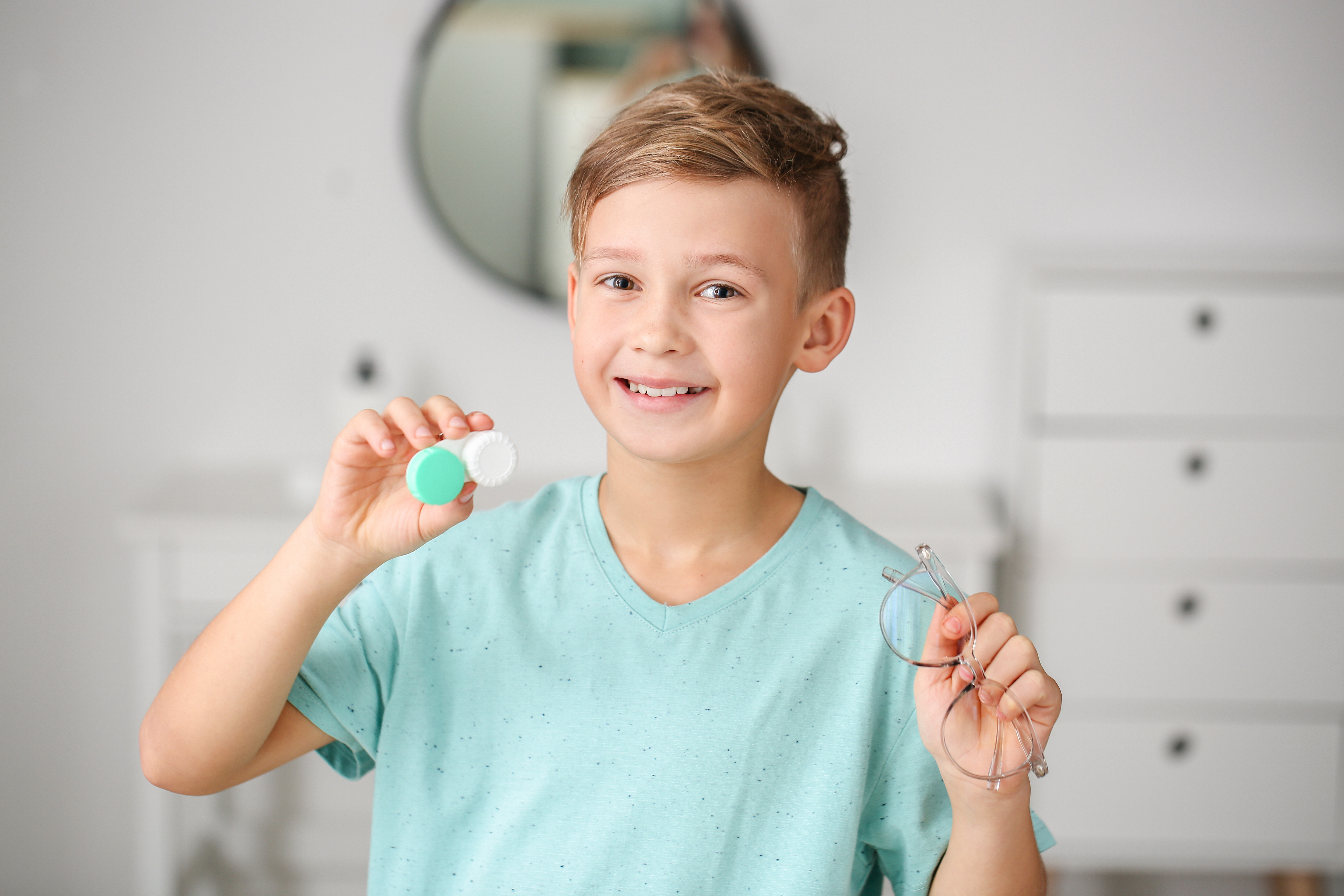
Many parents think of myopia as a glasses problem, but it is also an eye health concern. Higher levels of myopia can increase the risk of certain eye conditions later in life, including retinal problems, glaucoma, and myopic macular changes.
That does not mean every child with myopia will have serious eye problems. It does mean that slowing progression during childhood may help protect long-term vision. For families in Covina, early eye exams are an important step in identifying myopia before it advances further.
Signs Your Child May Be Becoming More Nearsighted
Children do not always know how to explain blurry vision. Some assume everyone sees the way they do. Parents may notice subtle changes at school, during sports, or at home.
Common signs of myopia progression include:
- Squinting to see the board, TV, or road signs
- Sitting closer to screens or holding devices near the face
- Complaints that glasses no longer work well
- Headaches or tired eyes after distance viewing
- Difficulty seeing during sports or outdoor activities
- Frequent prescription changes
- Avoiding tasks that require clear distance vision
If these signs sound familiar, it may be time to schedule a comprehensive eye exam.
Myopia Control Options
Myopia control is not one-size-fits-all. The right plan depends on your child’s age, prescription, eye health, lifestyle, and how quickly their vision is changing. Options may include specialty contact lenses, orthokeratology lenses worn overnight, or prescription eye drops when appropriate.
During a myopia control evaluation at Covina Hills Optometric Group, we look at more than your child’s current prescription. We consider family history, visual habits, eye growth, and how your child uses their vision throughout the day.
Healthy Habits That Support Myopia Care
Daily habits can also support your child’s visual comfort. Spending more time outdoors, taking regular screen breaks, using good lighting, and keeping reading materials at a comfortable distance may help reduce eye strain.
These habits do not replace professional myopia control, but they can work alongside a treatment plan. A consistent routine at home and regular follow-up visits can help us monitor your child’s progress and make adjustments when needed.
When Should Parents Ask About Myopia Control?
The best time to ask about myopia control is when your child first becomes nearsighted or when their prescription starts changing regularly. Waiting until myopia becomes more advanced can limit the opportunity to slow progression.
If your child already wears glasses or you have noticed changes in their distance vision, a comprehensive eye exam in Covina can help determine whether myopia control is appropriate.
To learn more about myopia control for your child, contact Covina Hills Optometric Group in Covina, CA at 592 South Grand Avenue, Covina, CA 91724, or call (626) 508-7171 to schedule an appointment.


Contact Info
Office Hours
- Monday 9:00 am - 6:00 pm
- Tuesday 9:00 am - 6:00 pm
- Wednesday 8:30 am - 5:00 pm
- Thursday 8:30 am - 5:00 pm
- Friday 8:30 am - 5:00 pm
- Saturday 8:15 am - 1:00 pm
- (2nd and 4th Saturdays in the month only)
- Sunday Closed
© 2026 Covina Hills Optometric Group. All rights Reserved. Accessibility Statement - Privacy Policy - Sitemap
Powered by:
